Crypto Boomers: Why I'm Sick of Them

I have been an all-in on crypto kind of guy for the past five years, and if one thing is clear, many things are smoke and mirrors. On top of that, there are always many layers and veils to understanding it all.
But even early on, I started to notice a behavior within myself, as well as what became something I saw in certain other kinds of people. If I were to put it simply, it's Libertarianism (or as Martin Goldberg likes to call them, Lolbertarians).
And that is the ideology I used to have, as do many people I respect. But I feel now that instead of trying to subscribe to any ideology, there is the admittance that your individual values will always come at odds with the collective of the world, and different values will change over time.
That kind of free market, "leave people alone"-type attitude is most certainly what the early Bitcoin scene was full of. The word decentralization, in particular. But anyone who understands crypto now probably knows that a lot of it is centralized; in fact, by nature it is a means of centralizing things, sometimes.
Most of what I am invested in is exciting and offers decentralized solutions for things in some ways, but I also notice the partnerships with large centralized entities that are interested in these protocols, too. It's not like they won't be getting a piece of the blockchain pie as it expands; I think that's clear now given how much government is gotten involved.
But what do I mean by the "Bitcoin Boomers"? They're almost always millennial guys, preaching their old style internet ways, emphasizing the user of independent servers, disconnecting from the system, Matrix, XMPP, etc.
And God bless them; I follow a lot of them actively. But these people I think need to realize why most people don't take the time to do these active steps for personal online sovereignty. The way society works, they will deliberately make it harder for you to run these things on your own; I'm just saying.
Luke Smith is one of the main role models of this movement, I think. And I love his videos; but what I like about him is that he says he does all this online nerdy stuff not for the sake of just being snazzy, but for the sake of overall being able to disconnect from the internet and not be a part of social media.
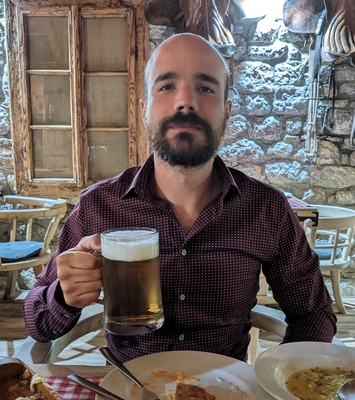
Most people, on the other hand, I feel do it to brag, or to go on about how they made one thing on their daily online life more convenient. I personally prefer the Luke Smith way; using the computers independently and efficiently as a means of not getting sucked into the noise.
One example of this hypocrisy, I think, is Mastodon. It's basically the left wing's way of trying to imitate what the right wing tried doing years ago with sites like Minds; a decentralized version of social media; the Fediverse, as they call it (I like how it sounds like "The Feds"). You can host a Mastodon server entirely from your own VPS, and on top of that connect to other's servers so that you can't be banned, have control of your data, etc.
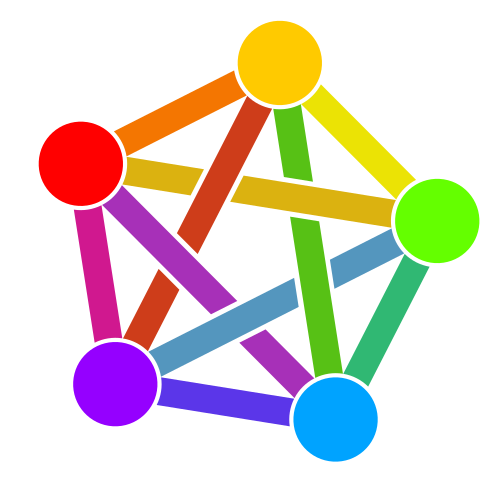
Their logo is a Rainbow + Pentagram... Gee, I wonder what those could be references to?
But I think it's obvious that the whole point of social media is to have a centralized mindset, and to be attached to the internet in ways that will be poisonous regardless. I would say the average person simply making an account on X and using it sparingly demonstrates a more truly independently-minded person compared to someone who cares so much about their fake online identity that they setup their own server for it.
On top of that, without giving examples, I couldn't help but notice that practically every time Mastodon comes up, it seems like it's being used by perverts. I even saw a server directly dedicated to drawing child pornography, even admittedly so. You can claim the creators of Mastodon aren't to blame, but it shows something about the type of people who build on it.
But even the more libertarian people I think don't understand crypto the way they should. You only ever hear them talk about the same few cryptos in the past ten years... Bitcoin, Monero, Litecoin, Bitcoin Cash, Ethereum... But overall it's like they're allergic to DeFi or any real innovation in the blockchain space.
And hey, I can assure you there's validity to that; plenty of exciting tech ideas in crypto I've looked into that totally fell apart. It's hard to know what blockchain is really being used for even now, but for the record when it comes to AI, Digital ID, Virtual Objects, Edge Computing, and a few other overlooked areas, I am 99% certain it is a lot more important than people believe.
It's true that oldies like Bitcoin and Digibyte are more decentralized than most other coins, but my whole thing is... Who cares? They still seem to think that the only purpose for crypto is payments. A sign that they simply don't do much research on it, if you ask me.
Another thing I would call a hypocrisy is this protocol called PeerTube. It's basically BitTorrent but turned into YouTube, where you upload your videos on your own server, and those who watch it both download and upload bandwidth at the same time. Those who upload bandwidth end up contributing to the bandwidth of the overall platform, reducing waste and still letting people host videos.

The only problem I have with this is... It already exists in a better form, and most people simply seem to not know out of their own lack of research: Edge Computing. Or as it's also called, DePIN. Basically Edge Computing can do that, but with all types of data, whether it be file sending, caching, streaming, or anything that need to transfer data.
But the best part is, everyone who runs a node gets paid to run it, and that's the natural incentive. In fact, even BitTorrent themselves tokenized into a DePIN to some degree. So Edge Computing is more immutable leg up from this decentralized way of powering bandwidth, where you get paid the more computing power you provide, just like with Bitcoin.
But there was literally a time where I spoke to a coder my age who talked about himself like he a was a big tech guy, telling me about PeerTube but at the same time making fun of me for talking about a certain Edge Computing project that was doing the same thing on a site called Theta.tv. Theta.tv was taken down due to a lack of interest in the specific site (it was only meant to be proof of concept for Theta Network), but it still boggles my mind how some people seem unable to comprehend the obviously better choice.
I feel like the one who came closest to explaining these kinds of people was Sam Hyde in this episode of his show. Decentralization and libertarianism does still sounds like a great ideal to me in a way, but to expect it to simply work with everyone the same way, I think has proven that simply holding onto an philosophy doesn't fix every problem.
I like how he said, "When it comes to your own bags, you should be cynical and not ideological.
I do still try to live my life in a more independent way than most; I've learned to follow a lot of Luke Smith's approaches to money, looking at it as a means of eliminating liabilities as opposed to simply trying to get wealthier. I don't waste my money on silly scams like Health Care or the S&P500. I don't have a car. I work 3(ish) part time jobs as opposed to a full time one, and make sure most of my time is spent being productive instead of just being a consumer. I've done a decent job learning to avoid the slavery most people cycle themselves into.
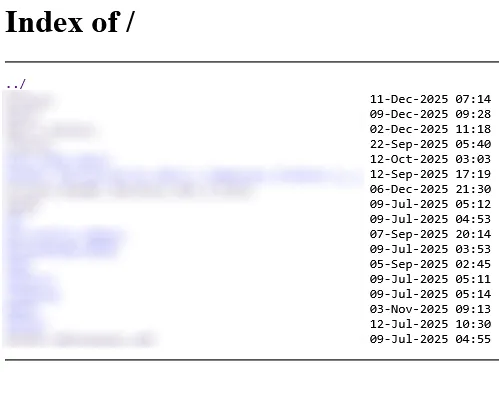
I used Luke Smith's guide (with a lot of help from AI as well) to setup my own nginx-run website, hosted on a more decentralized domain provider (paid with Monero, and paid off for the next couple years) with a VPS hosted on Edge Computing (paid for in their own token). I used it, for example, to setup my own privatized Google Drive, where on nginx you can set certain directories to be "indexed" where you can simply have an area in your filesystem that you can view publicly on a browser. You can even password protect that directory as well, all within the control of your own files. Probably the closest thing to real online data privacy, although like some people in this space have said: Trying to privatize anything on the internet is like trying to privatize yodeling!
I feel like the moment you eliminate distractions and consumerism in this current society, you've hacked most of the matrix already. So I really do respect the true libertarians, if you want to call them that. But I also think it's dangerous to be oblivious to crazy rate of progression and events happening to everyone right now, particularly in the case of AI and privacy.
If you really care about your privacy, you really ought to look into how much of the backbone of AI may go into certain crypto projects, and how owning some of that infrastructure could be one of the greatest means of protection, no matter how you run your life outside.